Global Experiences
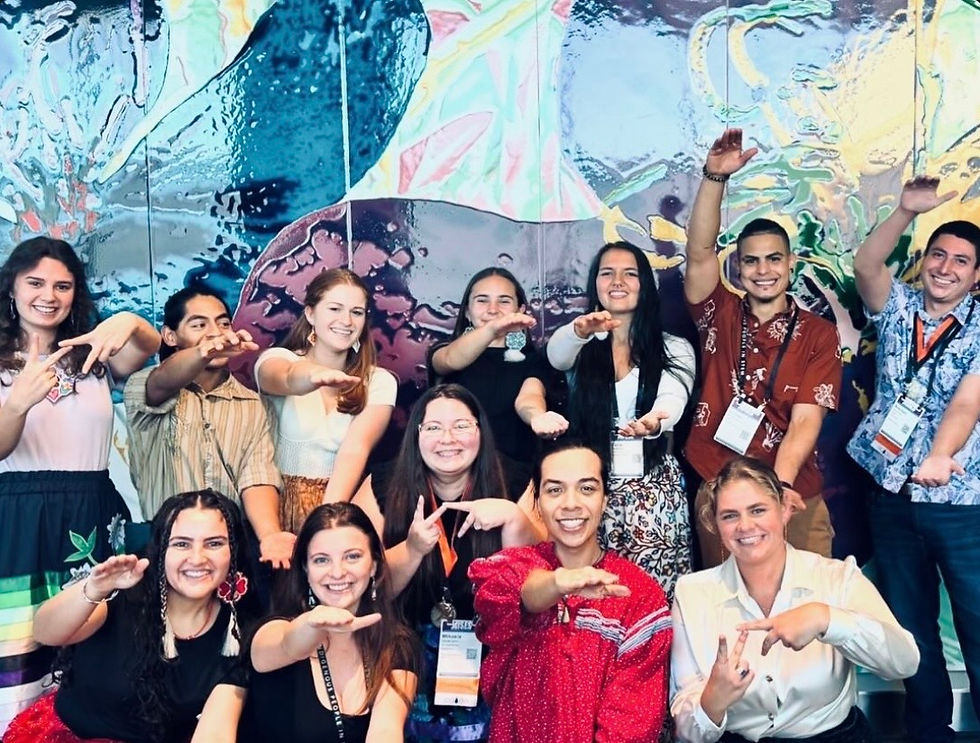
AISES National Conference (October 3-5,2024)
Skill Development: Global and Cultural Competency | Professional Engagement
My participation in the AISES National Conference had a meaningful impact on the development of my global and cultural competency within STEM. The conference emphasized the importance of representation, community, and the integration of Indigenous knowledge systems into scientific practice. Through this experience, I developed a broader understanding of how environmental science is not solely driven by empirical data, but is also shaped by long-standing relationships between communities and their surrounding ecosystems. This perspective challenged me to think more critically about how knowledge is produced and applied in different contexts.
One session that stood out focused on Indigenous-led ecological restoration efforts. The speaker discussed how restoration projects incorporated traditional ecological knowledge alongside scientific data to guide decision-making. This approach demonstrated that sustainable environmental solutions often require a combination of methodologies rather than reliance on a single framework. As a result, I strengthened my ability to evaluate scientific problems from multiple perspectives, particularly in relation to land management, conservation, and long-term sustainability.
This experience also reinforced the importance of supporting Indigenous communities beyond a local context. It highlighted the responsibility of scientists to engage with communities in ways that respect cultural knowledge while contributing to solutions that address global environmental challenges. I began to recognize that meaningful scientific work must consider both technical accuracy and cultural relevance, especially when working across diverse populations.
The conference played a significant role in shaping my academic and professional direction. It encouraged me to expand my understanding of different cultural relationships with the environment and to consider how these perspectives can inform scientific research. In my field of mycology, this is particularly important, as fungi play critical roles in agriculture, ecosystem function, and medicinal development. Gaining insight into how different communities interact with fungal systems can inform more sustainable and effective applications of this knowledge.
In addition, this experience motivated me to continue developing my ability to work across cultural and disciplinary boundaries. It reinforced the value of combining scientific training with cultural awareness in order to address complex global issues. Moving forward, I aim to apply my background in botany, mycology, and microbiology in ways that contribute to environmental sustainability, agricultural development, and community-based solutions. This experience ultimately strengthened both my academic perspective and my commitment to making a meaningful impact on a global scale.
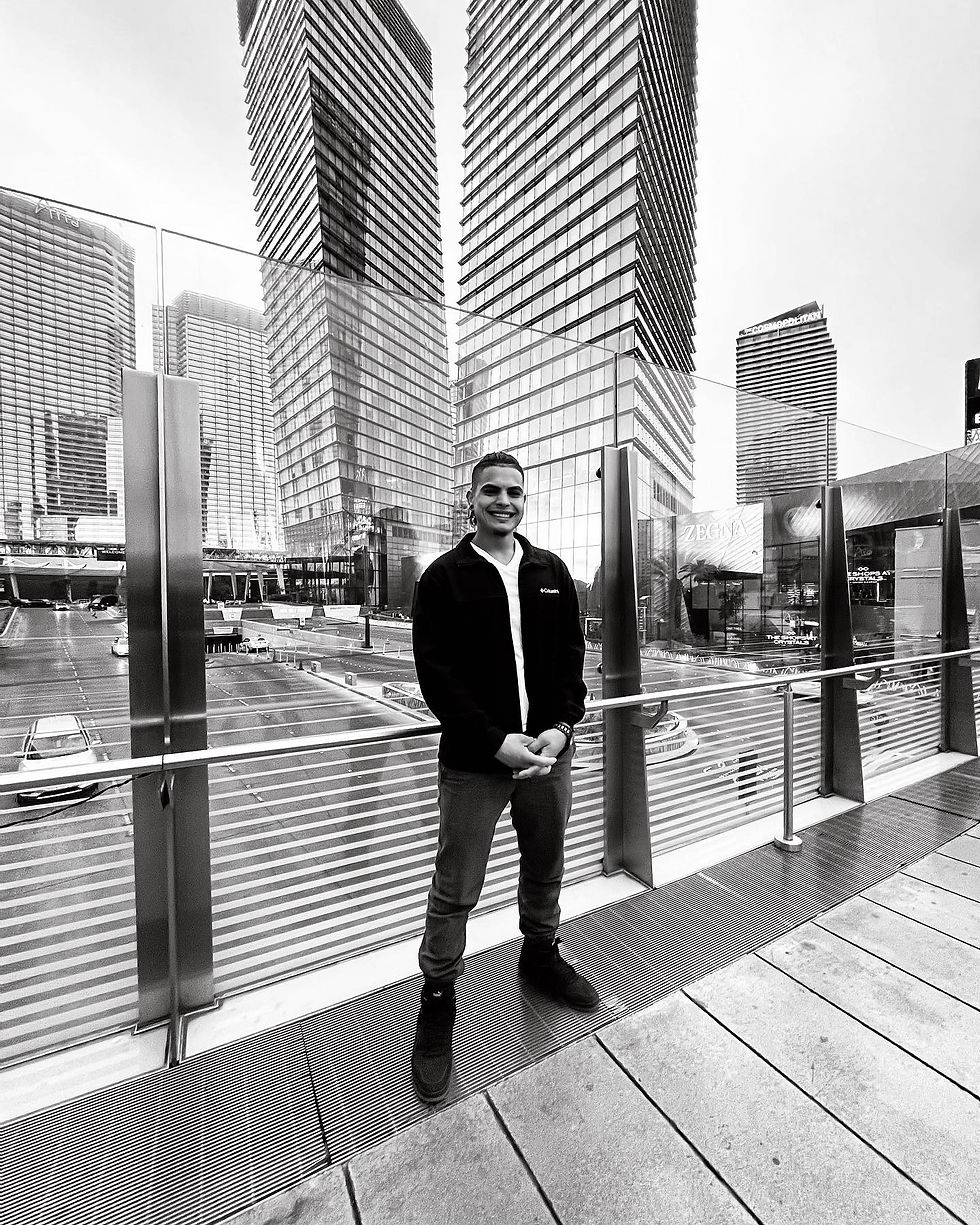
Latin American Stories Connecting Communities (March 25, 2026)
Skill Development: Communication | Cross-Cultural Understanding
My participation in the Latin American Stories Connecting Communities event had a meaningful impact on the development of my communication skills, particularly in cross-cultural and multilingual contexts. The event emphasized the role of language, culture, and lived experience in shaping how information is shared, interpreted, and understood. The bilingual format, along with the focus on communities across Latin America, highlighted the importance of adapting communication styles to effectively engage with diverse audiences in both academic and real-world settings.
A presentation that stood out to me focused on community-based research conducted with deaf children and their families in Mexico. The speaker described the use of digital storytelling as a method to document personal experiences while supporting language development. This approach demonstrated that research is not limited to data collection, but also involves meaningful engagement with participants. It reinforced the idea that communication within research must be reciprocal and grounded in the perspectives of the communities involved. This example broadened my understanding of how knowledge is constructed and shared, particularly in settings where language and access can shape participation.
This experience strengthened my ability to recognize communication as a dynamic and context-dependent process. It required me to consider how cultural background, language, and social conditions influence both the delivery and interpretation of information. As a result, I developed a more intentional approach to communication, particularly in environments that require clarity, adaptability, and cultural awareness.
The impact of this experience extends directly to my academic field. In areas such as microbiology and mycology, research often intersects with communities through agriculture, environmental management, and public health initiatives. Effective communication is essential when working with diverse populations, especially when translating scientific findings into practical applications. Understanding how to engage with communities in a culturally informed manner allows for more ethical and effective implementation of scientific work.
Additionally, this event motivated me to further expand my knowledge of global cultures and the ways in which knowledge is shared within them. It reinforced the importance of developing communication skills that extend beyond technical language and into collaborative, community-based engagement. Moving forward, I aim to apply these skills in my academic and professional work, particularly in contexts where scientific research can contribute to addressing global challenges. This experience strengthened my ability to communicate across cultures and prepared me to engage in scientific work that is both globally relevant and socially responsive.
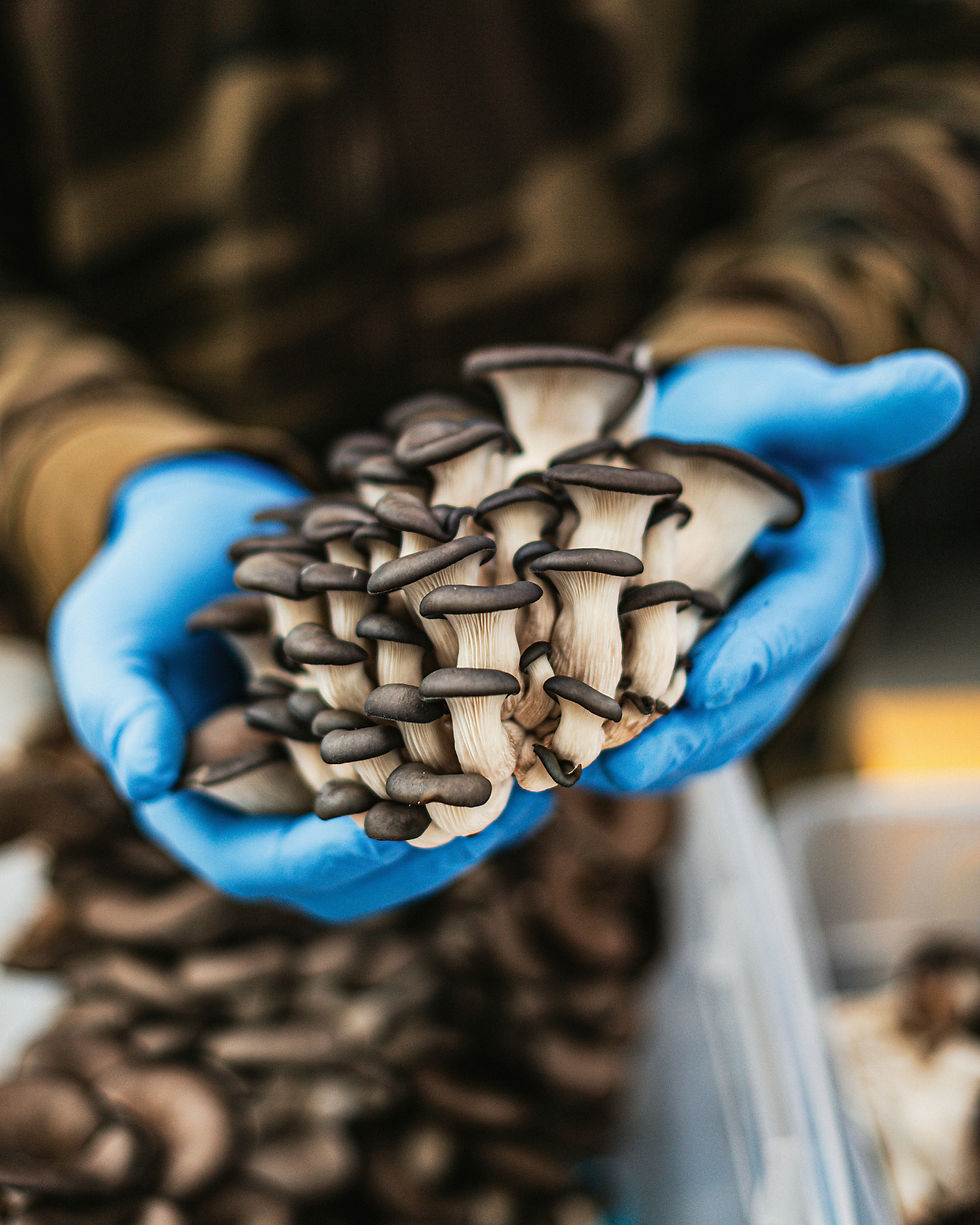
Doctors Without Borders – Humanitarian Medicine (March 30, 2026)
Skill Development: Critical Thinking | Global Application of Science
My participation in the Doctors Without Borders event provided a meaningful opportunity to examine how scientific knowledge is applied within global humanitarian contexts. This experience had a significant impact on the development of my critical thinking skills by emphasizing that complex health challenges cannot be addressed through isolated solutions. Instead, effective responses require an understanding of how biological, environmental, and social factors interact to influence health outcomes.
The discussion highlighted that providing medical care in resource-limited settings extends beyond immediate treatment and involves addressing long-term issues such as nutrition, access to clean water, and sustainable resource availability. A key example presented was the challenge of delivering healthcare in regions where communities lack consistent access to essential nutrients and basic medical supplies. This demonstrated that health outcomes are closely tied to environmental conditions and resource distribution, reinforcing the need for interdisciplinary approaches in global health.
This experience encouraged me to critically evaluate how scientific disciplines, including botany, mycology, and microbiology, contribute to addressing these challenges. Plant and fungal systems play essential roles in pharmaceutical development, food production, and ecosystem stability. For example, many medicines are derived from plant compounds or microbial processes, while fungi contribute to nutrient cycling and sustainable agricultural systems. Recognizing these connections allowed me to better understand how my academic background can be applied to support global health initiatives.
Additionally, this event emphasized the importance of adaptability and context when applying scientific knowledge. Solutions that are effective in one region may not be directly transferable to another without considering local environmental conditions and community needs. This perspective strengthened my ability to approach scientific problems with a broader and more analytical mindset, taking into account both technical and social dimensions.
The experience also motivated me to expand my knowledge across cultures and disciplines in order to apply my skills more effectively on a global scale. In humanitarian settings, the ability to integrate scientific knowledge with an understanding of community needs is essential for developing sustainable solutions. This is particularly relevant in areas such as agriculture and food systems, where plant and fungal biology can contribute to improving nutrition and resource accessibility.
Overall, this experience reinforced the importance of applying science in ways that are both globally relevant and community-oriented. It strengthened my critical thinking skills and prepared me to engage in work that addresses complex challenges related to health, sustainability, and environmental management. Moving forward, I aim to apply my background in botany, mycology, and microbiology to support initiatives that improve quality of life and promote long-term resilience in communities worldwide.
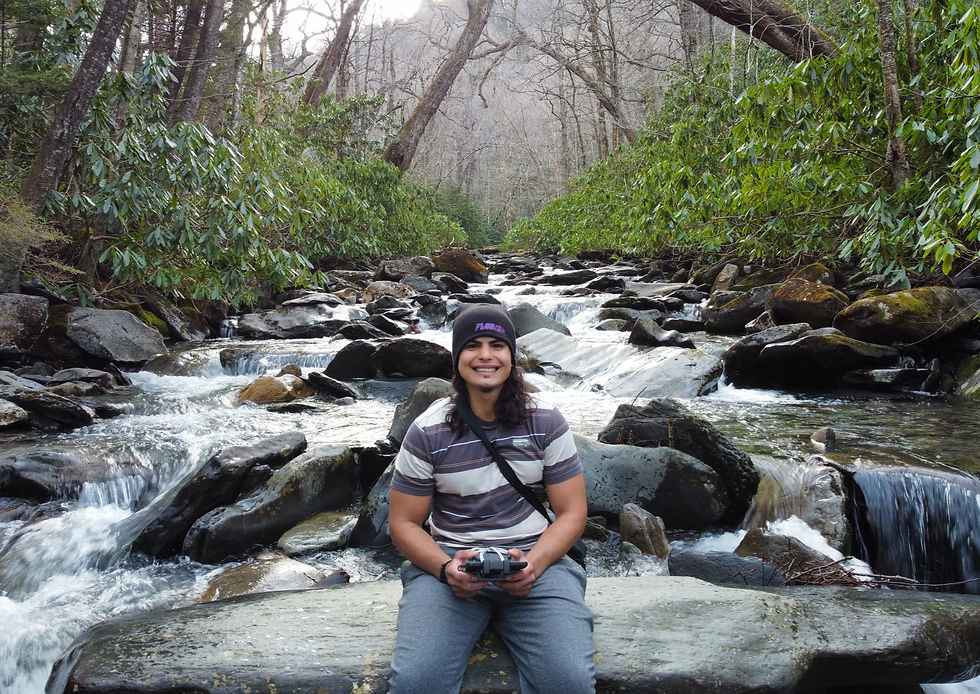
French Language and Cultural Studies at the University of Florida
Skill Development: Global Communication | Cross-Cultural Competency
My study of the French language at the University of Florida has been a significant global experience that contributed to the development of my communication skills and cultural competency. Through formal coursework and continued practice, I was able to develop proficiency in French while also gaining a deeper understanding of the cultural and geographic contexts in which the language is used. This experience extended beyond language acquisition and allowed me to engage with different perspectives, traditions, and systems of knowledge.
Learning French provided insight into how language shapes communication and influences the interpretation of information. Through exposure to literature, historical context, and cultural discussions, I developed a broader understanding of how communities express ideas and interact with their environments. This strengthened my ability to communicate across linguistic and cultural boundaries, which is essential in both academic and professional settings.
This experience has had a direct impact on my academic development, particularly in the fields of botany and mycology. By developing proficiency in French, I am able to access and interpret scientific literature, research publications, and data that may not be available in English. This expands my ability to engage with global research and contributes to a more comprehensive understanding of scientific topics. Additionally, the ability to communicate in French allows me to collaborate with researchers, students, and professionals from French-speaking regions, reducing language barriers and supporting more effective collaboration.
The connection between language and my field is particularly relevant in areas such as agriculture, environmental science, and microbiology. Many French-speaking regions have established practices in agriculture and food production that rely heavily on plant and fungal systems. For example, fermentation processes, which depend on microorganisms such as fungi and bacteria, are widely used in food production across these regions. Understanding both the scientific and cultural aspects of these processes allows for a more informed and practical application of my knowledge.
This experience also motivated me to expand my understanding of global communities and consider how my scientific background can be applied in diverse cultural contexts. The ability to communicate in French provides opportunities to contribute to initiatives related to food sustainability, agricultural development, and environmental management. It also allows me to engage with communities in a more direct and meaningful way, particularly in regions where language plays a critical role in collaboration and knowledge exchange.
Overall, studying French has strengthened my global communication skills and enhanced my ability to apply scientific knowledge across cultural and linguistic boundaries. It has prepared me to engage in international research and contribute to solutions that address global challenges in agriculture, sustainability, and public health.